

Mobile Wound
Care Services
Specialized treatments are delivered in‑clinic or
directly in the patient’s home.
Sharp Debridement
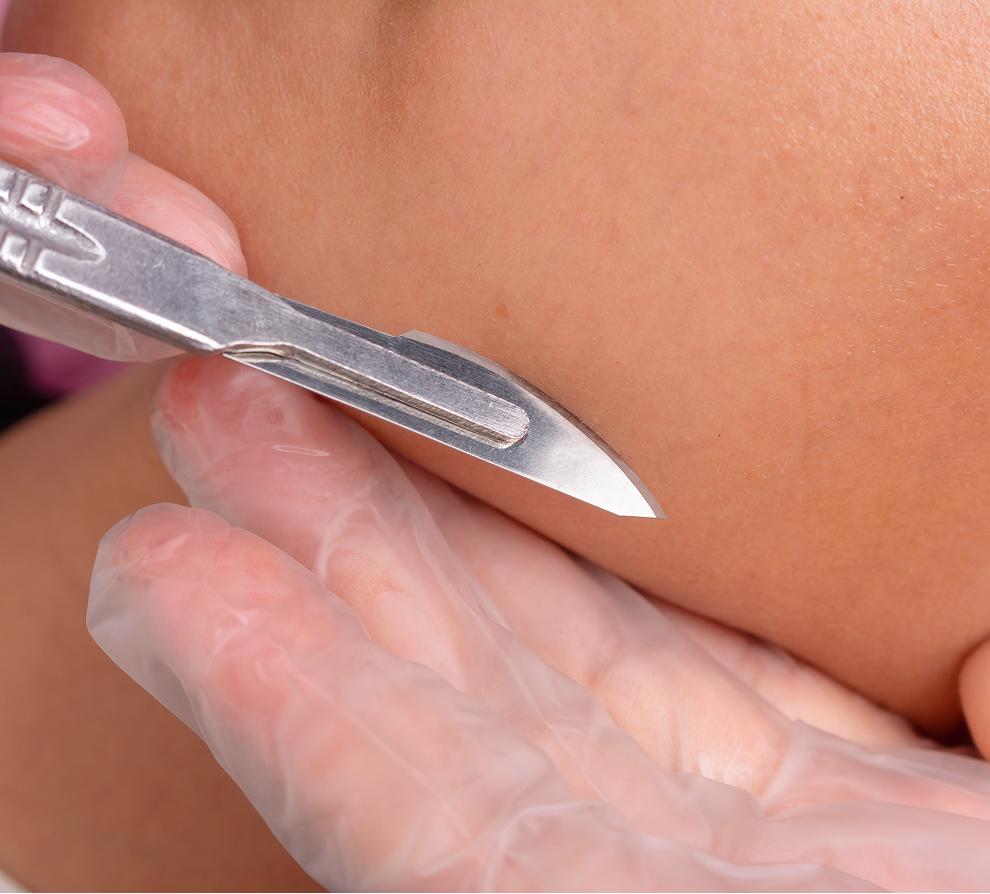
Sharp debridement is the precise removal of non‑viable tissue using sterile instruments to restore a clean, healthy wound bed. This procedure improves healing by eliminating barriers that prevent tissue regeneration.
- Removes necrotic and infected tissue
- Reduces bacterial load and inflammation
- Promotes faster granulation and epithelialization
Dressings
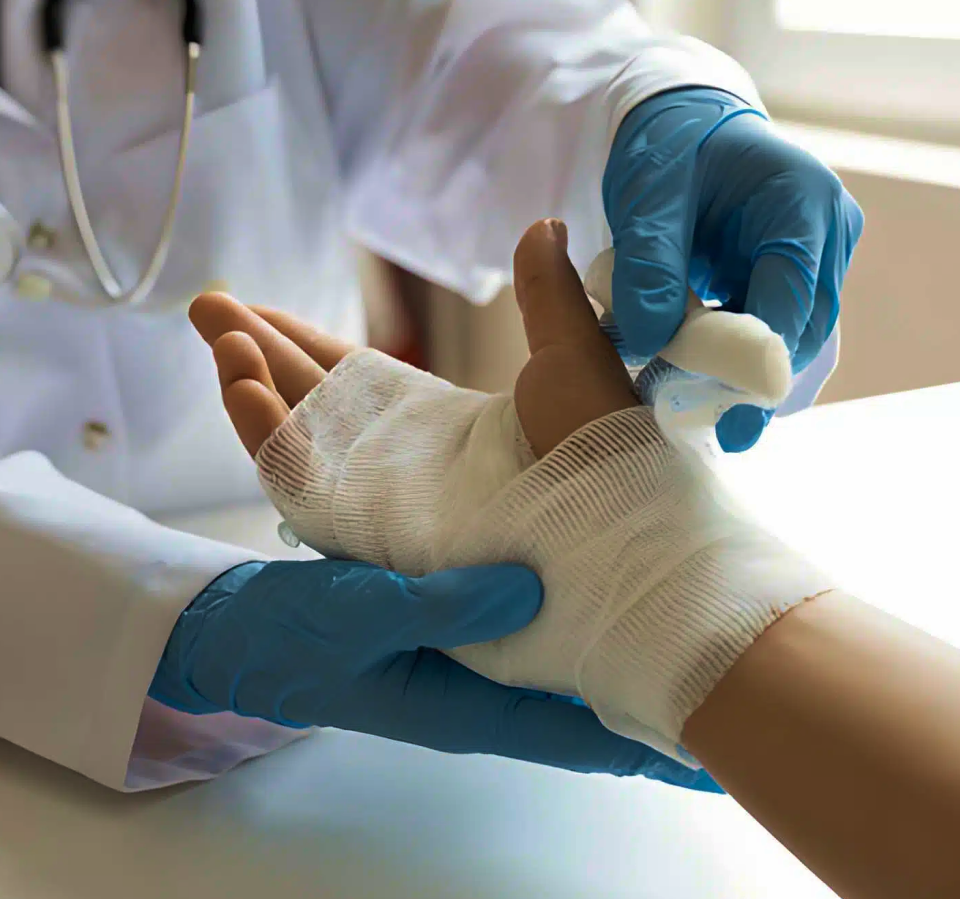
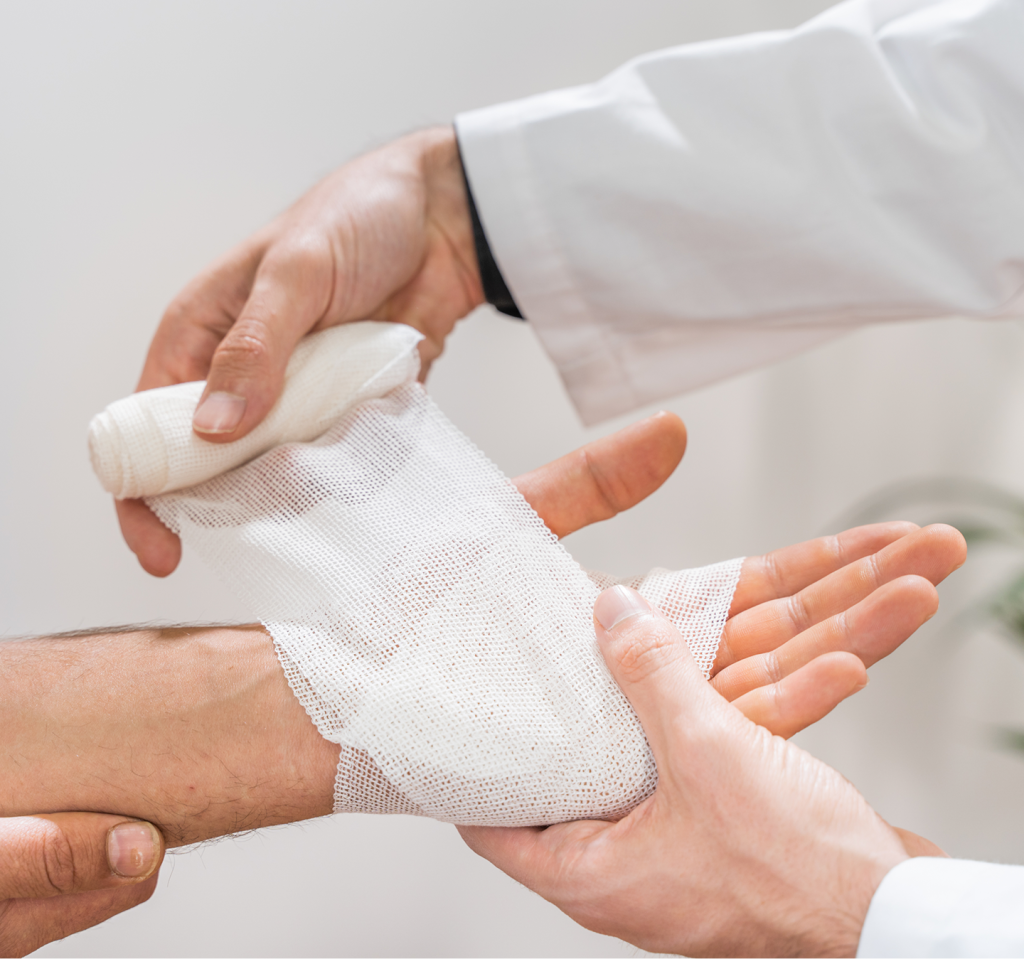
Advanced dressings are selected based on wound type, drainage, and tissue condition to create an optimal healing environment. Each dressing is chosen to protect the wound, manage moisture, and support cellular repair.
- Includes antimicrobial, absorptive, and biologic options
- Maintains moisture balance for controlled healing
- Protects tissue and reduces the risk of infection

Surgical Debridement
Surgical debridement is a deeper, more extensive removal of devitalized tissue performed when wounds contain significant necrosis or infection. This approach prepares the wound for advanced therapies and reduces the risk of complications.
- Clears non‑viable tissue at a surgical level
- Controls infection and prevents systemic spread
- Creates a stable foundation for grafts and biologics
Incision and Drainage
- Reduces pressure, pain, and swelling
- Removes purulent or infected material
- Supports rapid stabilization of the wound
UltraMIST Therapy
- Improves oxygenation and microcirculation
- Reduces bioburden and inflammatory markers
- Promotes faster progression through healing phases
Grafting
- Enhances tissue regeneration in non‑healing wounds
- Reduces healing time for diabetic and venous ulcers
- Supports closure of surgical and traumatic wounds
Doppler Evaluation
- Detects perfusion deficits
- Guides safe treatment planning
- Essential for chronic or slow‑healing wounds
Vascular and Oxygen Evaluation
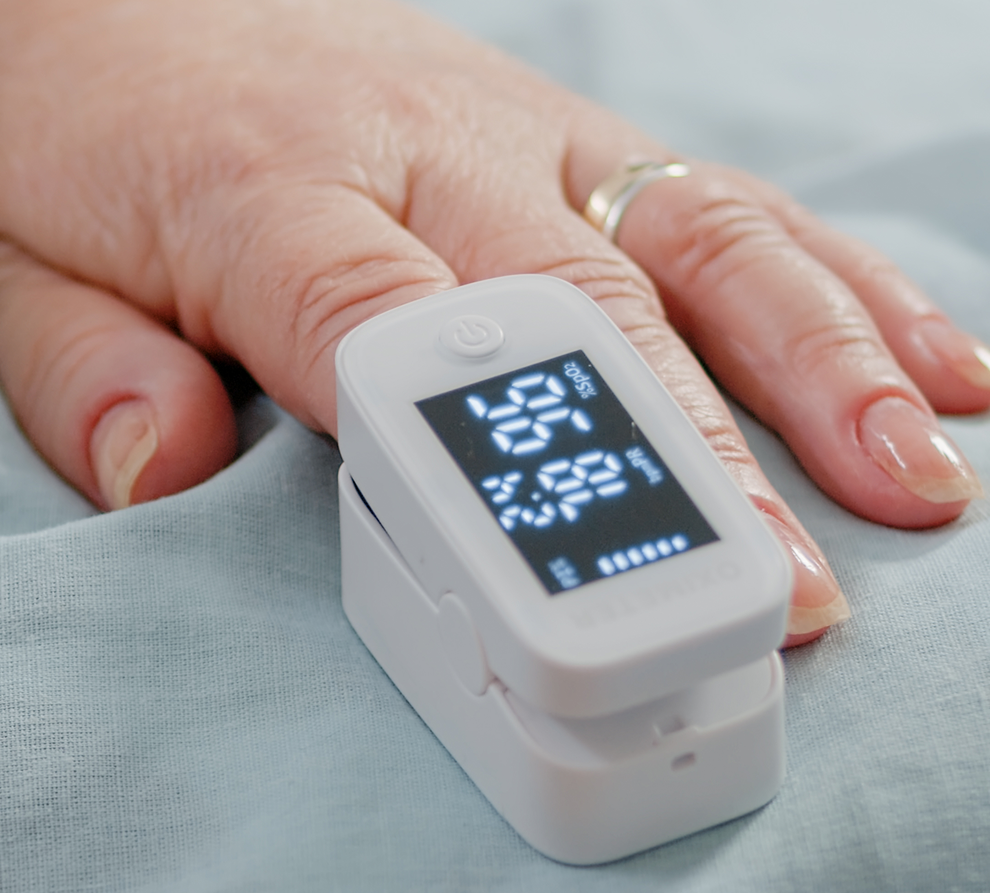
This evaluation uses tests such as TCOM and ABI to measure oxygen delivery and vascular function. These metrics determine healing potential and identify underlying vascular disease.
- Assesses tissue oxygenation
- Identifies arterial or venous insufficiency
- Supports accurate diagnosis and treatment selection
Diagnostic and Lab Ordering
- Includes cultures, CBC, metabolic, and inflammatory panels
- Detects underlying contributors to delayed healing
- Supports precise, evidence‑based decisions
Infusion Monitoring
- Supports infection control with IV antibiotics
- Monitors tolerance and therapeutic effect
- Integrates with comprehensive wound care plans
Biopsies
- Identifies underlying pathology
- Detects malignancy, vasculitis, or atypical infections
- Essential for chronic or unexplained wounds
Diabetic and
Nutritional Counseling
- Improves metabolic stability
- Identifies nutritional gaps affecting healing
- Enhances overall wound outcomes

Keep Your Recovery
Moving Forward
Take the next step to healing with mobile wound care
delivered directly to your home.