

Non‑Healing Wounds
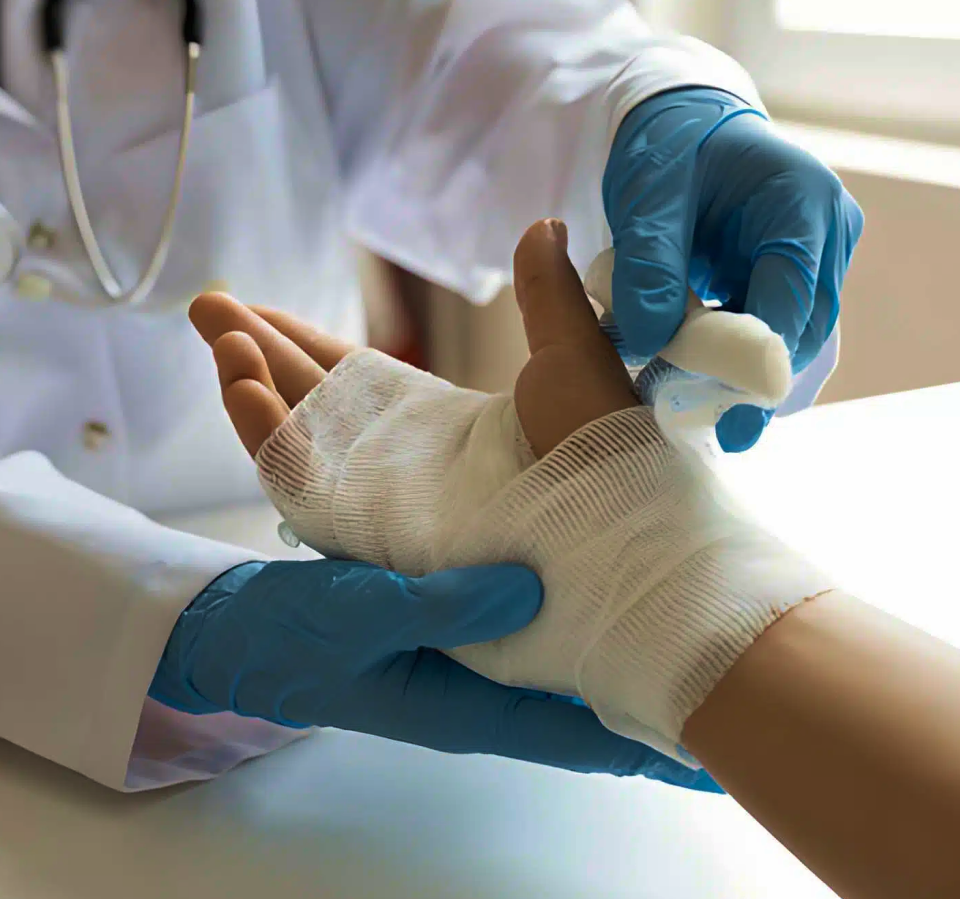
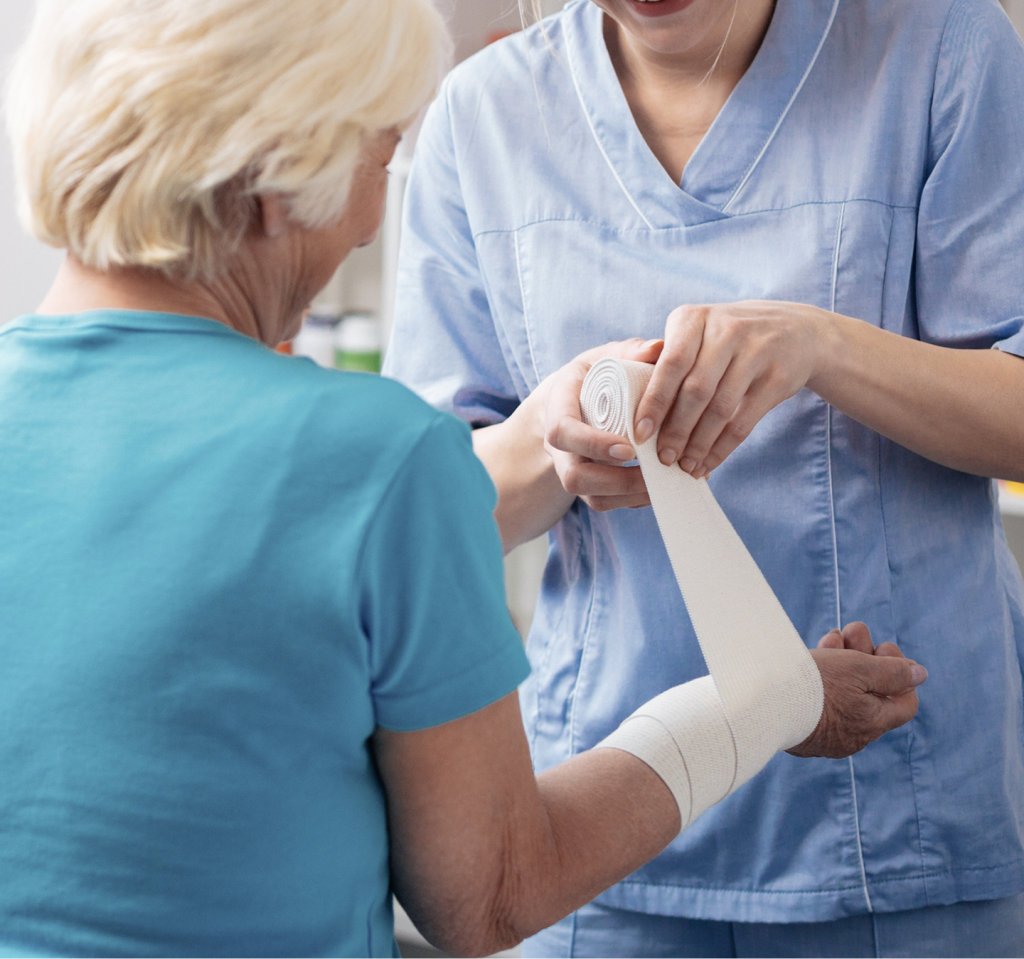
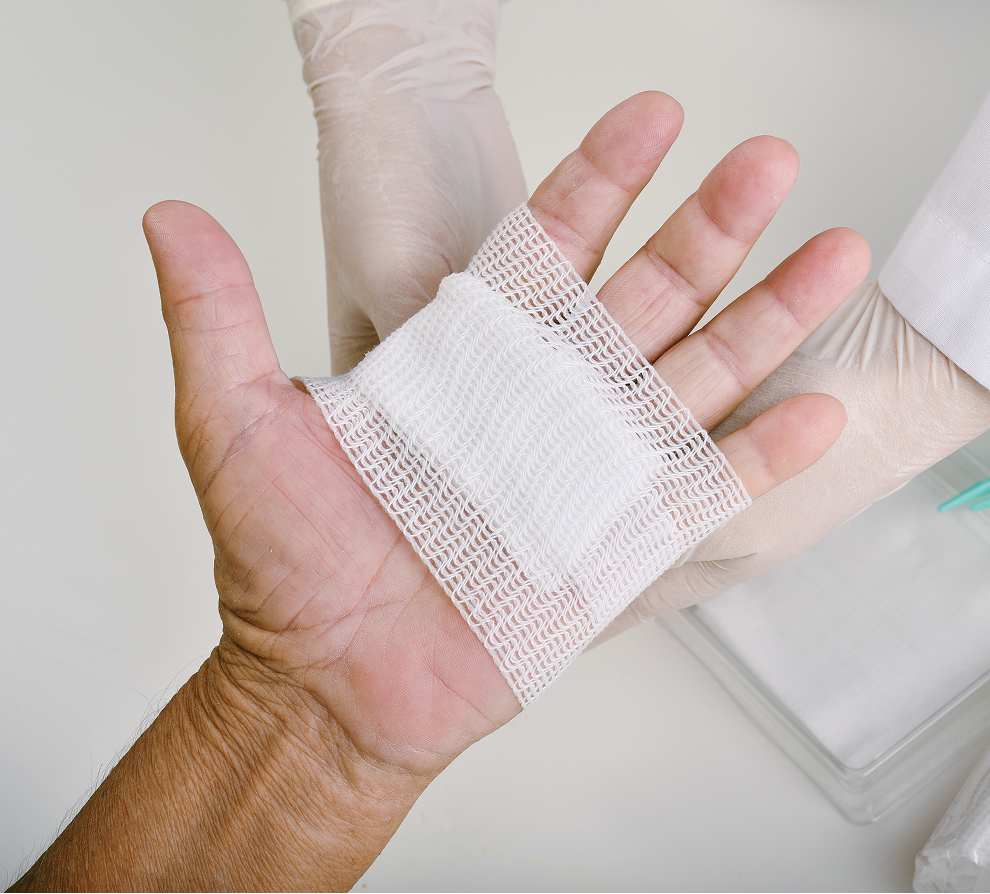
Non‑healing wounds are injuries that fail to progress through normal healing stages due to infection, poor circulation, or underlying medical conditions. These wounds require advanced evaluation to identify barriers preventing closure.
- Persist for weeks without improvement
- Often linked to vascular or metabolic issues
- Require specialized wound care to restore healing
Diabetic Wounds
Diabetic wounds develop when high glucose levels impair circulation and nerve function, making the skin vulnerable to injury and infection. These wounds often appear on the feet and require early intervention to prevent complications.
- Slow healing due to reduced blood flow
- Increased risk of infection and tissue breakdown
- May progress to ulcers without proper care

Pressure Ulcers
Pressure ulcers form when prolonged pressure reduces blood flow to the skin, causing tissue damage. They commonly occur in patients with limited mobility and require structured offloading and wound management.
- Develop over bony areas such as heels or sacrum
- Can progress from redness to deep tissue injury
- Require pressure relief and advanced wound care
Venous Ulcers
Venous ulcers occur when poor vein function leads to fluid buildup and skin breakdown, usually in the lower legs. These wounds are chronic and require both wound care and management of venous insufficiency.
- Associated with swelling and skin discoloration
- Often recurrent without proper compression
- Heal best with vascular assessment and targeted care
Surgical Wounds
Surgical wounds may fail to heal properly due to infection, tension, or underlying medical conditions. When healing stalls, advanced wound care helps restore tissue integrity and prevent complications.
- May show redness, drainage, or separation
- Can become infected if not addressed early
- Benefit from debridement and advanced dressings
Traumatic Wounds
Traumatic wounds result from injuries such as cuts, lacerations, or accidents that damage skin and underlying tissue. These wounds may require cleaning, debridement, and structured follow‑up to ensure proper healing.
- Caused by accidents, falls, or sharp objects
- Risk of contamination or infection
- Require evaluation to determine depth and severity
Ischemic Wounds
Ischemic wounds develop when arterial disease limits blood flow, preventing tissue from receiving enough oxygen to heal. These wounds are often painful and require vascular assessment before treatment.
- Caused by reduced arterial circulation
- Often appear on toes, feet, or lower legs
- Require evaluation of perfusion and oxygenation
Neuropathic Ulcers
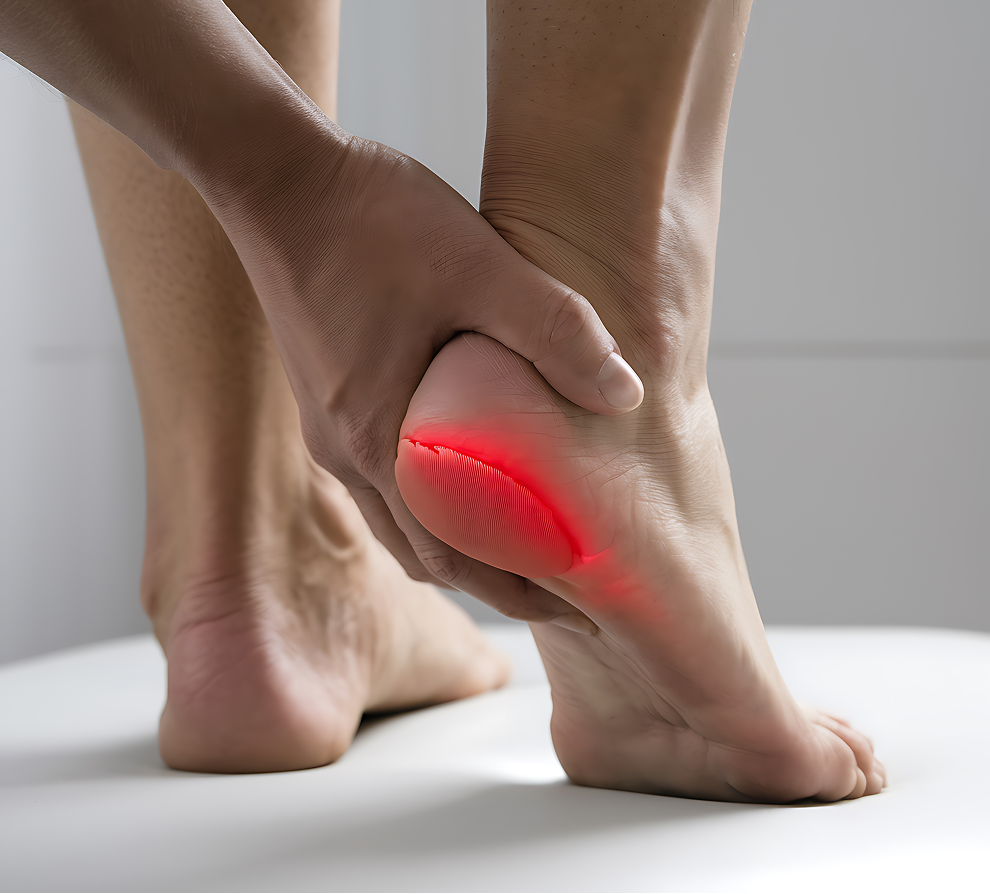
Neuropathic ulcers occur when nerve damage reduces sensation, allowing injuries to go unnoticed and worsen over time. They are common in patients with diabetes or neuropathy and require protective care.
- Often develop on pressure points of the feet
- Caused by loss of sensation and repetitive trauma
- Require offloading and advanced wound management

Keep Your Recovery
Moving Forward
Take the next step to healing with mobile wound care
delivered directly to your home.