

Itching is one of the most common sensations people notice after surgery. While it can be annoying, mild itching is often a sign that your body is repairing itself. As the incision heals, new skin cells form, nerves regenerate, and the tissues beneath the skin continue to recover. These natural healing processes can trigger an itchy feeling around the surgical site.
Although itching is usually normal, persistent symptoms may indicate the need for specialized surgical wounds treatment. Knowing the difference can help you recover with confidence while recognizing when to contact your healthcare provider.
Healing surgical wounds often itch as new collagen forms and nerve endings regenerate. As the wound begins to close, your body produces new collagen, repairs damaged tissue, and restores tiny nerve endings. These changes can stimulate nerve receptors in the skin, creating an itchy sensation.
In addition, healing skin is often dry and tight, which may increase the urge to scratch. Bandages, adhesive tapes, or certain topical products can also irritate sensitive skin and contribute to itching around the incision.
In most cases, mild itching gradually improves as healing progresses.
Not every itchy incision is a cause for concern. Mild itching is common while healing surgical wounds continue to recover.
Normal healing may include:
These symptoms usually become less noticeable as the tissues continue to heal.
Although itching is common, certain symptoms may indicate that the wound needs medical evaluation.
Increasing redness that spreads beyond the incision, significant swelling, worsening pain, pus or foul-smelling drainage, fever, or separation of the wound edges may signal an infection or another complication. Some people may also develop an allergic reaction to surgical tape, dressings, or topical medications, causing widespread itching accompanied by a rash.
If itching becomes severe or occurs together with these warning signs, it is important to seek professional care promptly.
Resisting the urge to scratch can be difficult, but scratching may damage healing tissue or introduce bacteria into the wound. Instead, focus on supporting the healing process with proper wound care.
Keeping the wound clean, following your provider’s instructions for dressing changes, protecting the incision from excessive sun exposure, eating a balanced diet, and allowing your body adequate rest all contribute to healthy healing.
At Alive and Well Wound Care, patients receive personalized guidance on incision care, dressing changes, nutrition, and other recovery strategies designed to promote safe healing and reduce complications.
Some surgical wounds heal more slowly because of underlying medical conditions such as diabetes, poor circulation, or infection. In these situations, specialized wound care can help improve healing while reducing the risk of further complications.
Treatment may include thorough wound cleansing, debridement when necessary, advanced wound dressings, negative pressure wound therapy (NPWT), antibiotic therapy for infection, and diabetic or nutritional counseling to support the body’s natural healing process.
As Aisha Acevedo, NP, WCC and our team emphasize, individualized care helps ensure each wound receives the treatment needed for optimal recovery.
Most surgical incisions heal without difficulty, but wounds that fail to improve should not be ignored. If your incision continues to drain, shows signs of infection, separates, or remains slow to heal, specialized surgical wounds treatment may help address the underlying cause before more serious complications develop.
Early evaluation allows treatment to begin before delayed healing affects your overall recovery.
Mild itching is often a normal part of surgical wound healing and usually reflects the body’s natural repair process. As new skin forms and tissues recover, temporary itching commonly develops and gradually improves over time. However, persistent itching accompanied by redness, drainage, fever, or worsening pain should always be evaluated by a healthcare professional.
At Alive and Well Wound Care, patients receive comprehensive, personalized treatment for surgical wounds and delayed healing. With guidance from Aisha Acevedo, NP, WCC and our experienced team, specialized wound care supports safe recovery, helps prevent complications, and promotes the best possible healing outcome.
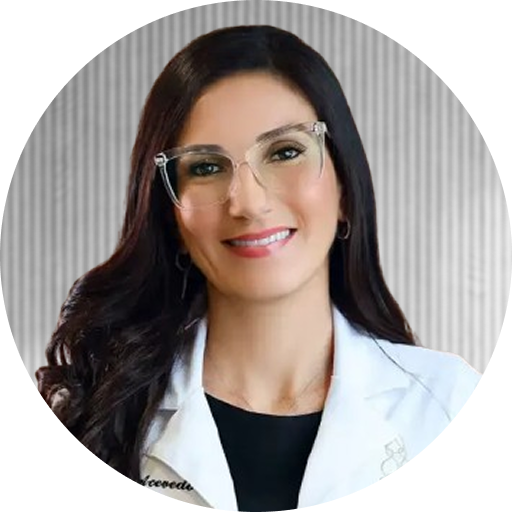
About the Author
Aisha Acevedo is a Family Nurse Practitioner with experience in wound care, aesthetic medicine, wellness, and family medicine. She brings a thoughtful, attentive style to every patient encounter. Her work centers on careful assessment, precise treatment, and steady follow-up, reassuring patients of a provider who stays involved throughout the healing process.
Keep Your Recovery Moving Forward
July 23, 2026