

For most people, minor cuts and scrapes begin healing within a few days. For individuals with diabetes, however, even a small wound can take much longer to recover. Delayed healing increases the risk of infection, chronic ulcers, and other serious complications, making early treatment especially important.
Understanding why diabetic wounds heal slowly can help patients take proactive steps to protect their health and seek specialized care when needed.
Diabetes influences several systems that are essential for normal tissue repair. High blood sugar levels can damage blood vessels and nerves while weakening the body’s natural immune response. As a result, wounds receive less oxygen and fewer nutrients, making it harder for new tissue to develop.
Because these changes often occur gradually, many people do not realize their wounds are healing more slowly until complications develop.
Several factors work together to delay healing in people with diabetes. Understanding these causes highlights why comprehensive wound care is so important.
Healthy circulation delivers oxygen and nutrients that support tissue repair. Diabetes can damage blood vessels over time, reducing blood flow to the feet and lower legs where diabetic wounds commonly occur.
Without adequate circulation, the body’s ability to rebuild damaged tissue becomes significantly slower.
Nerve damage, also known as diabetic neuropathy, reduces sensation in the feet. Small cuts, blisters, or pressure injuries may go unnoticed because they cause little or no pain.
Without early treatment, these minor injuries can worsen and develop into chronic wounds that require specialized diabetic wounds treatment.
Elevated blood glucose affects nearly every stage of the healing process. It interferes with immune cell function, increases inflammation, and reduces the body’s ability to produce healthy new tissue.
Keeping blood sugar within a healthy range is one of the most important steps in supporting wound healing.
Diabetes can make it more difficult for the immune system to fight bacteria. Even a small wound may become infected if not properly cleaned and monitored.
Once infection develops, healing often slows even further and may require more advanced medical treatment.
Early intervention can help prevent serious complications. A diabetic wound should be evaluated promptly if it shows signs that healing is not progressing normally.
Warning signs include:
Seeking professional diabetic wounds treatment early may help reduce healing time and lower the risk of more serious complications.
Effective treatment focuses on both healing the wound and addressing the underlying factors slowing recovery. Every patient requires an individualized diabetic wounds treatment plan based on the severity of the wound and their overall health.
At Alive and Well Wound Care, treatment may include thorough wound cleansing, debridement to remove dead tissue, specialized wound dressings that maintain an ideal healing environment, pressure relief through offloading techniques, infection management, pain control, and diabetic as well as nutritional counseling.
These therapies work together to support tissue repair while reducing the risk of infection and further damage.
Successful healing depends on more than treating the wound itself. Managing diabetes, improving nutrition, protecting the affected area from additional pressure, and monitoring circulation all contribute to better outcomes.
As Aisha Acevedo, NP, WCC and our team emphasize, identifying the underlying causes of delayed healing allows treatment to be tailored to each patient’s specific needs.
Although diabetes increases the risk of chronic wounds, preventive care can make a significant difference. Daily foot inspections, proper footwear, good blood sugar management, and prompt treatment of even minor injuries help reduce the likelihood of serious complications.
Routine medical visits also allow healthcare providers to detect circulation or nerve problems before they lead to difficult-to-heal wounds.
Diabetic wounds heal slowly because diabetes affects circulation, nerve function, immune response, and the body’s ability to repair damaged tissue. Without proper treatment, delayed healing can increase the risk of infection and long-term complications.
At Alive and Well Wound Care, patients receive personalized, evidence-based treatment designed to support faster healing and improve long-term wound health. With guidance from Aisha Acevedo, NP, WCC and our team, comprehensive wound care addresses both the wound itself and the underlying factors that affect recovery, helping patients heal safely and regain confidence in their daily lives.
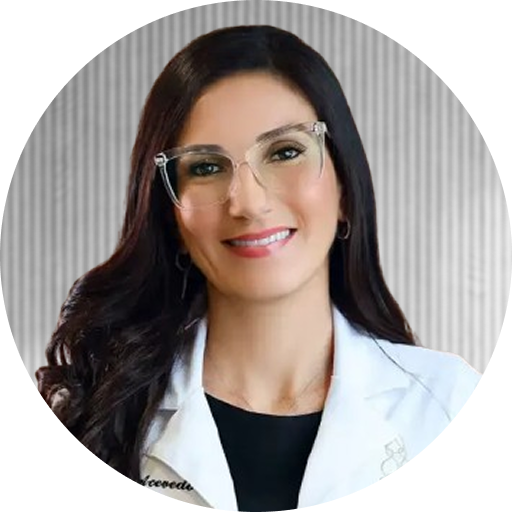
About the Author
Aisha Acevedo is a Family Nurse Practitioner with experience in wound care, aesthetic medicine, wellness, and family medicine. She brings a thoughtful, attentive style to every patient encounter. Her work centers on careful assessment, precise treatment, and steady follow-up, reassuring patients of a provider who stays involved throughout the healing process.
Keep Your Recovery Moving Forward
July 22, 2026