

Most cuts and scrapes heal within a few weeks with proper care. However, some wounds remain open, become larger, or show little improvement despite treatment. These are known as non-healing wounds, also called chronic wounds, and they often require specialized medical attention.
Understanding what causes non-healing wounds can help you recognize when a wound is not following a normal healing process and when professional care may be needed to prevent complications.
A non-healing wound is a wound that fails to progress through the normal stages of healing. Instead of gradually closing and forming healthy new tissue, it remains open or heals very slowly despite standard wound care.
Chronic wounds may develop after an injury, surgery, or as a result of an underlying medical condition and often require chronic wound treatment. Common examples include diabetic ulcers, pressure ulcers, venous ulcers, ischemic wounds, and traumatic wounds.
Without appropriate treatment, these wounds may become infected and significantly affect mobility and overall health.
Several medical conditions and lifestyle factors can interfere with the body’s natural healing process. In many cases, more than one factor contributes to delayed recovery.
Common causes include:
These conditions reduce the delivery of oxygen and nutrients to damaged tissue, making it more difficult for the body to repair itself.
Some individuals have a greater likelihood of developing chronic wounds because of their overall health or medical history.
People living with diabetes are at increased risk due to nerve damage and reduced circulation. Older adults may also experience slower healing as the body’s natural repair processes become less efficient with age. Individuals with vascular disease, limited mobility, or conditions that affect immune function may also develop wounds that require specialized wound treatment.
Recognizing these risk factors allows wounds to be evaluated before complications become more serious.
A wound that continues to worsen or fails to improve should never be ignored. Early recognition often leads to more effective treatment.
Common warning signs include persistent redness, swelling, warmth around the wound, increasing pain or tenderness, unusual drainage, foul odor, or little improvement in wound size after several weeks. If these symptoms occur, prompt non-healing wounds treatment is recommended to identify the underlying cause and begin appropriate care.
Treatment focuses on addressing both the wound itself and the medical conditions contributing to delayed healing. Because every wound is different, care should be individualized.
At Alive and Well Wound Care, treatment may include wound debridement to remove dead tissue, advanced wound dressings that create an optimal healing environment, negative pressure wound therapy (NPWT), infection control, compression therapy for venous ulcers, and diabetic or nutritional counseling to support the body’s natural healing process.
As Aisha Acevedo, NP, WCC and our team recognize, treating the underlying cause is just as important as caring for the wound itself.
Preventing non-healing wounds begins with good overall health and proper wound care. Managing chronic conditions such as diabetes, protecting the skin from injury, maintaining good nutrition, and seeking treatment for wounds that fail to improve can all reduce the risk of long-term complications.
Individuals with poor circulation or limited sensation should inspect their skin regularly and report any new wounds to a healthcare provider as early as possible.
Non-healing wounds are often caused by underlying conditions that interfere with the body’s ability to repair damaged tissue. Diabetes, poor circulation, infection, pressure, and nutritional deficiencies are among the most common reasons wounds heal slowly or remain open.
At Alive and Well Wound Care, patients receive personalized treatment designed to promote healing while addressing the factors delaying recovery. With guidance from Aisha Acevedo, NP, WCC and our team, advanced wound care can help reduce complications, encourage faster healing, and support long-term skin health.
About the Author
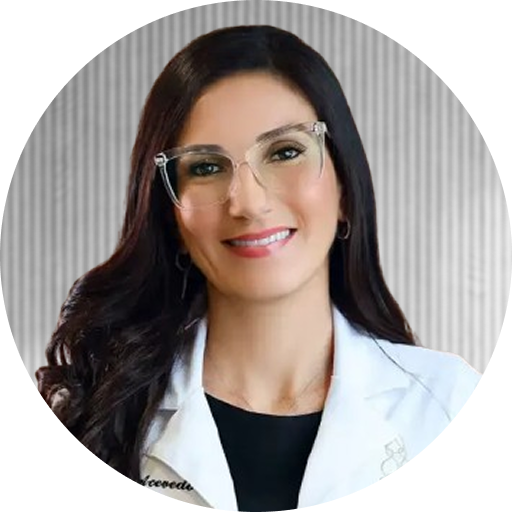
Aisha Acevedo is a Family Nurse Practitioner with experience in wound care, aesthetic medicine, wellness, and family medicine. She brings a thoughtful, attentive style to every patient encounter. Her work centers on careful assessment, precise treatment, and steady follow-up, reassuring patients of a provider who stays involved throughout the healing process.
Keep Your Recovery Moving Forward
July 21, 2026